 English
  Español
  Français
  Deutsch
  Português
  Italiano
  Русский
  中文(简体)
  日本語
日本語  한국어
한국어  العربية
  हिन्दी
  Nederlands
  Türkçe
  Polski
Defining “Best”: It’s More Than Just Accuracy
In today’s interconnected world, the ability to understand and communicate across language barriers is no longer a luxury; it’s a necessity. Whether you’re a globetrotting adventurer, a business professional sealing international deals, a student delving into foreign texts, or simply someone curious about another culture, a reliable translation tool is indispensable. But with a plethora of translation apps flooding the market, the question remains: what truly constitutes the “best” translation app in 2025?
The answer, as with many things in technology, is nuanced. “Best” isn’t a one-size-fits-all descriptor. It’s a constellation of features, performance metrics, and user experience elements tailored to individual needs. While sheer accuracy in translating words from one language to another is paramount, it’s only one piece of the puzzle. The best translation app must also excel in areas like speed, context-awareness, ease of use, accessibility across devices, and the ability to handle various forms of input and output.
Consider the subtle nuances of language. Idioms, slang, cultural references, and even tone can be lost in a literal, word-for-word translation. A truly superior app understands these complexities, offering translations that are not just grammatically correct but also culturally appropriate and contextually relevant. This is where advanced AI and machine learning come into play, powering algorithms that learn and adapt, becoming more sophisticated with every interaction. The goal is to bridge the gap between literal meaning and intended message, fostering genuine understanding.
Beyond the core translation engine, a top-tier app will offer a seamless user experience. This means intuitive interfaces, quick access to essential features, and minimal friction in getting from your source text to your translated output. It should feel like an extension of your own communication tools, not a cumbersome barrier. In 2025, with the rapid evolution of user expectations, an app that prioritizes simplicity and efficiency will undoubtedly stand out.
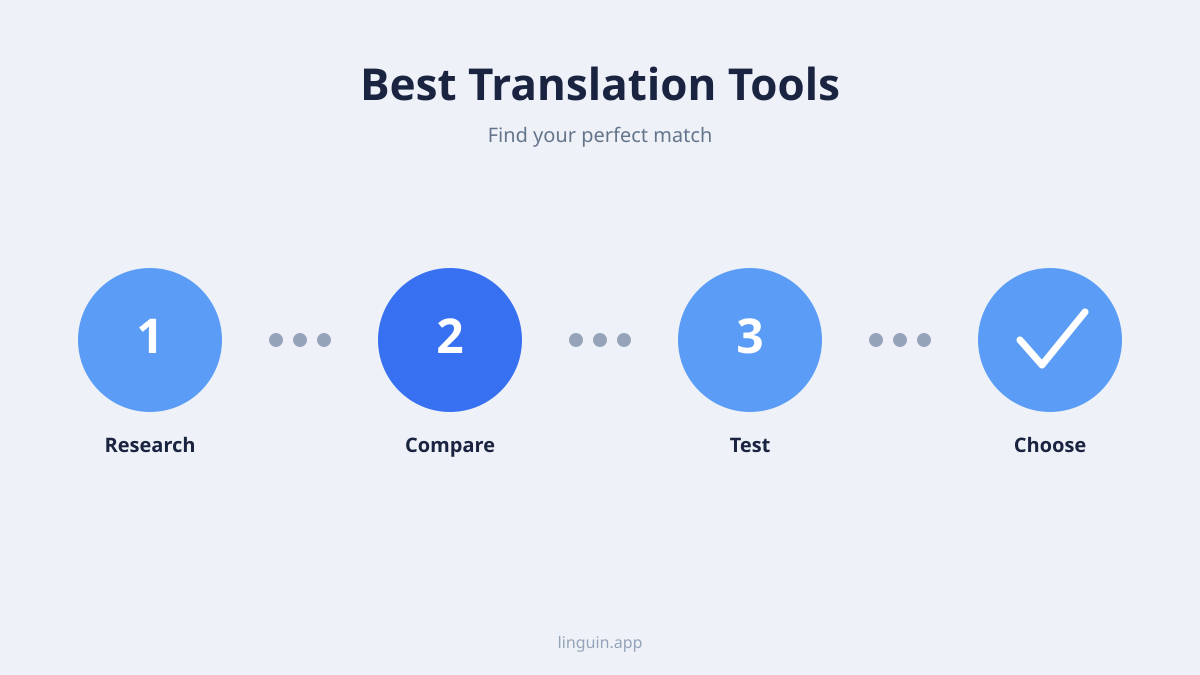
Key Features That Define a Superior Translation App
When evaluating translation apps for 2025, several key features consistently rise to the top, differentiating the good from the truly exceptional. Understanding these components will empower you to make an informed choice for your specific needs.
Accuracy and Contextual Understanding
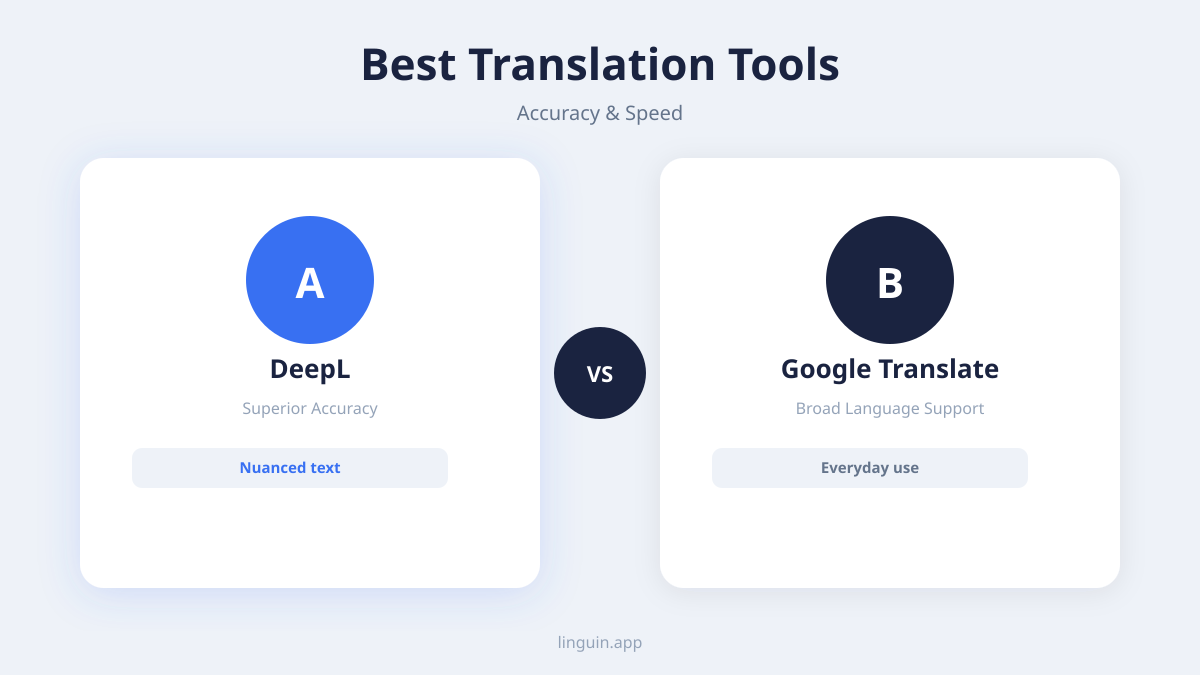
This is the bedrock of any translation tool. The ability to accurately convert text from one language to another is non-negotiable. However, the “best” apps go beyond mere word-for-word translation. They employ advanced Natural Language Processing (NLP) and machine learning models to grasp the context of a sentence or paragraph. This allows them to handle ambiguity, understand idiomatic expressions, and choose the most appropriate translation for a given situation. For instance, the English phrase “break a leg” means “good luck” in a theatrical context, not a literal wish for harm. A smart translation app will recognize this and provide the correct idiomatic equivalent in the target language. This contextual awareness is crucial for achieving natural-sounding and effective translations.
Wide Language Support
A truly versatile translation app should support a broad spectrum of languages. While popular languages like Spanish, French, Mandarin, and German are essential, the ability to translate less common or regional dialects can be a significant advantage for travelers, researchers, or businesses with niche markets. The more languages an app supports, the more adaptable it is to diverse communication needs.
Multiple Input and Output Methods
The best translation apps don’t limit you to typing. They offer a variety of ways to get your text into the app and your translation out. This includes:
- Text Translation: The most common method, allowing you to type or paste text for translation.
- Voice Translation: Essential for real-time conversations, enabling you to speak into your device and receive spoken translations. This is particularly useful for travel and spontaneous interactions.
- Image Translation (OCR): The ability to translate text found in images, such as signs, menus, or documents. This feature, powered by Optical Character Recognition (OCR), is incredibly handy when navigating foreign environments or deciphering printed materials.
- Document Translation: For longer texts, the capacity to upload entire documents (like PDFs or Word files) for translation can save a tremendous amount of time and effort.
- Handwriting Recognition: Some advanced apps can even interpret handwritten text, adding another layer of convenience.
Offline Translation Capabilities
While internet connectivity is becoming ubiquitous, there are still situations where reliable Wi-Fi or cellular data is unavailable – think remote areas, international flights, or areas with spotty service. An app that offers robust offline translation for key languages means you’re never left without a translation tool, regardless of your connectivity status. This is a critical feature for frequent travelers.
Integration and Accessibility
The best translation apps integrate seamlessly into your existing workflow and are accessible across your preferred devices. This means:
- Cross-Platform Availability: Support for macOS, iOS, Android, and web browsers ensures you can translate wherever you are, on whatever device you’re using.
- Browser Extensions: For seamless web browsing, a Chrome or Safari extension that can translate entire web pages or selected text on the fly is invaluable.
- App Integrations: The ability to translate directly within other applications, such as email clients or messaging apps, can significantly boost productivity.
User Experience and Interface
A powerful engine is only as good as its delivery. An intuitive, clean, and user-friendly interface makes the translation process effortless. This includes features like:
- Quick Access to History: Easily revisit past translations.
- Favorites and Saved Phrases: Store frequently used translations or important phrases.
- Copy and Share Options: Effortlessly copy translated text or share it with others.
- Customizable Settings: Options to adjust font sizes, voice speeds, or preferred translation engines.
Privacy and Security
In an era of increasing data awareness, understanding how your translation data is handled is crucial. Reputable apps will have clear privacy policies and robust security measures to protect your sensitive information.
AI’s Evolving Role in Translation: The Linguin Advantage
The landscape of translation technology is in constant flux, driven by rapid advancements in artificial intelligence. AI is no longer just a buzzword; it’s the engine that powers the most effective translation apps today, and its influence will only grow in 2025. At Linguin, we harness the power of cutting-edge AI to deliver a translation experience that is not only accurate but also intelligent and intuitive.
Our AI models are trained on vast datasets, allowing them to understand the nuances of language, including idioms, slang, and cultural context. This means Linguin can provide translations that are more natural-sounding and contextually appropriate than traditional machine translation systems. We continuously refine these models, ensuring that Linguin evolves with the ever-changing dynamics of human language.
For macOS, iOS, and even as browser extensions for Chrome and Safari, Linguin is designed for seamless integration into your daily digital life. Imagine browsing a foreign website and instantly translating its content with a click, or having a real-time conversation with someone speaking a different language, with Linguin facilitating clear communication. Our commitment to cross-platform availability means your translation needs are met, whether you’re on your desktop, your iPhone, or browsing on the go.
Linguin’s dedication to user experience means that while our technology is sophisticated, our interface is simple and straightforward. We believe that powerful tools should be easy to use. This philosophy is reflected in every aspect of the app, from its clean design to its intuitive navigation. Whether you need to translate a quick phrase or an entire document, Linguin aims to make the process as frictionless as possible. We understand that in 2025, the best translation app isn’t just about what it can do, but how effortlessly it integrates into your life and enhances your ability to connect with the world.
Choosing the Right App for Your Needs
With so many excellent options available, pinpointing the single “best” translation app for everyone is a challenge. The ideal choice often depends on your specific use cases and priorities.
For Travelers
If you’re frequently on the move, prioritize apps that offer robust offline translation capabilities, voice translation for real-time conversations, and image translation for deciphering signs and menus. Cross-platform availability across iOS and Android is also crucial so you have your translator handy on all your devices.
For Students and Researchers
Accuracy and the ability to handle complex texts are paramount. Look for apps that excel in contextual understanding and can translate entire documents accurately. Support for a wide range of academic and specialized languages might also be a deciding factor.
For Business Professionals
Seamless integration into your workflow is key. Consider apps with browser extensions for translating emails and web content, and those that offer reliable text and document translation. Strong privacy and security features are also essential when dealing with potentially sensitive business communications.
For Casual Users
For everyday use, such as understanding social media posts or basic communication, an app that offers a user-friendly interface, quick text translation, and perhaps some basic voice translation will suffice. The convenience of browser extensions for web browsing is a major plus.
The Future of Translation is Here
As we move further into the 21st century, the role of translation technology will only become more critical. The ability to break down language barriers is fundamental to global understanding, collaboration, and progress. In 2025, the best translation apps will continue to push the boundaries of what’s possible, leveraging AI to deliver increasingly accurate, context-aware, and user-friendly experiences.
Whether you’re navigating a bustling foreign market, collaborating with international colleagues, or simply exploring a new culture online, a powerful and reliable translation app is your key to unlocking a world of possibilities. By understanding the core features that define excellence and considering your personal needs, you can find the perfect tool to ensure your voice is heard and understood, no matter where you are or who you’re speaking with. The quest for the best translation app in 2025 leads to solutions that are not just tools, but bridges to a more connected world.